Global Citizenship Education, UNESCO APCEIU
‘Our Heritage Monuments and the Role of the Local Community in Safeguarding Them’: Global Citizenship Education, UNESCO APCEIU
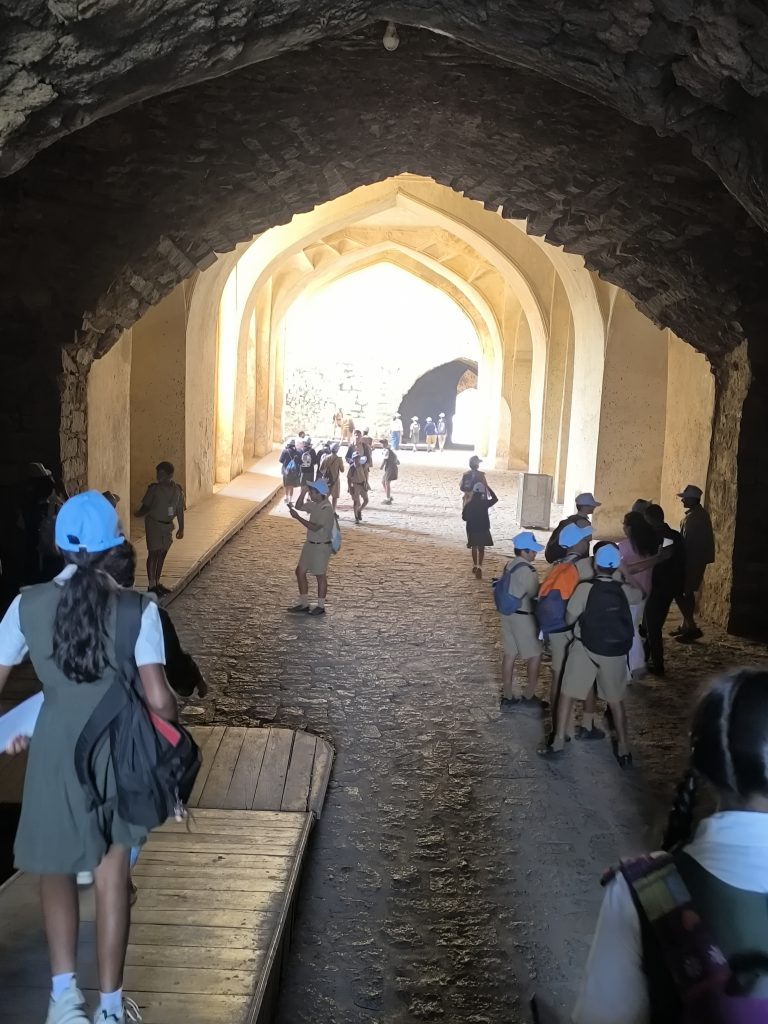
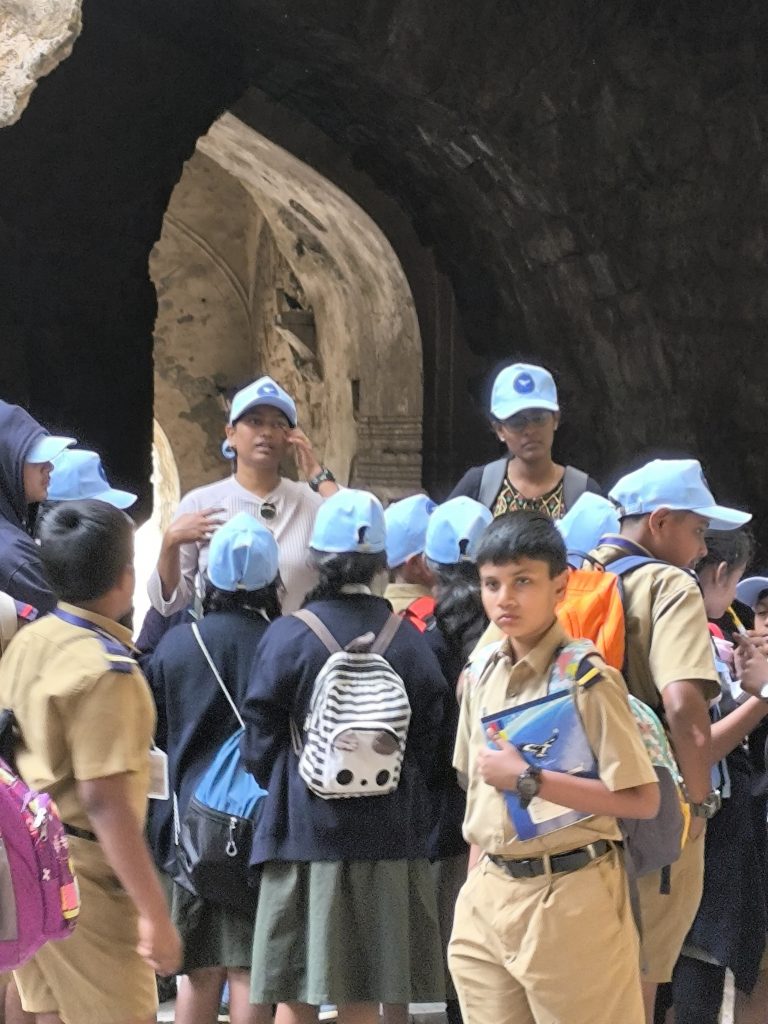
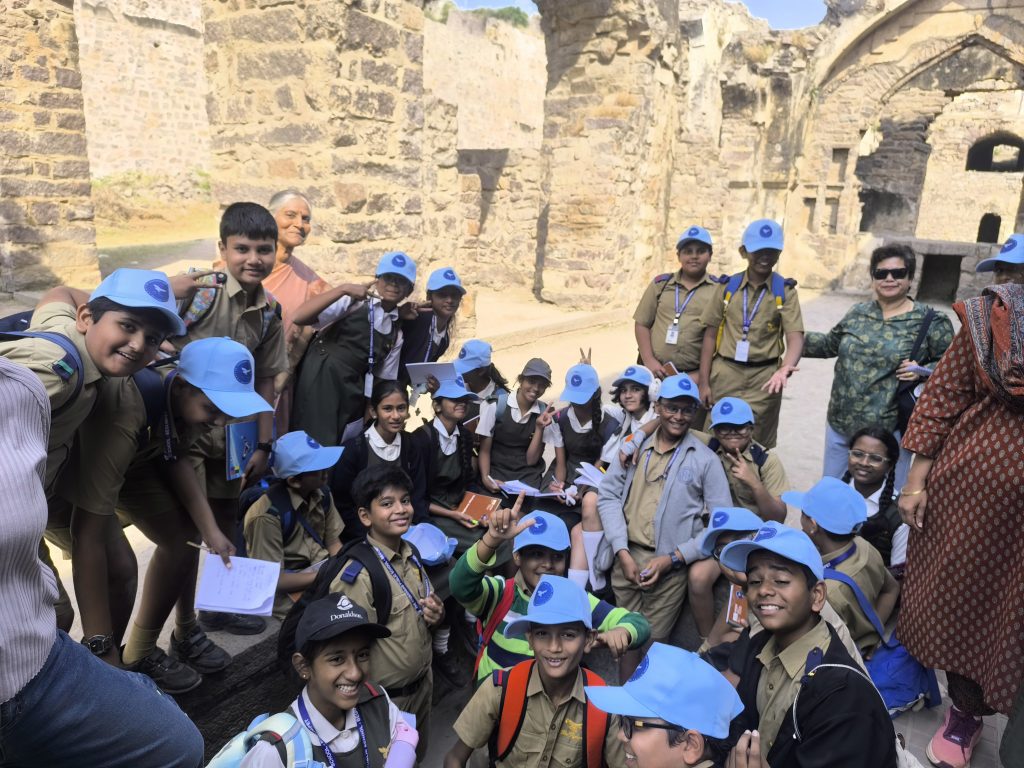
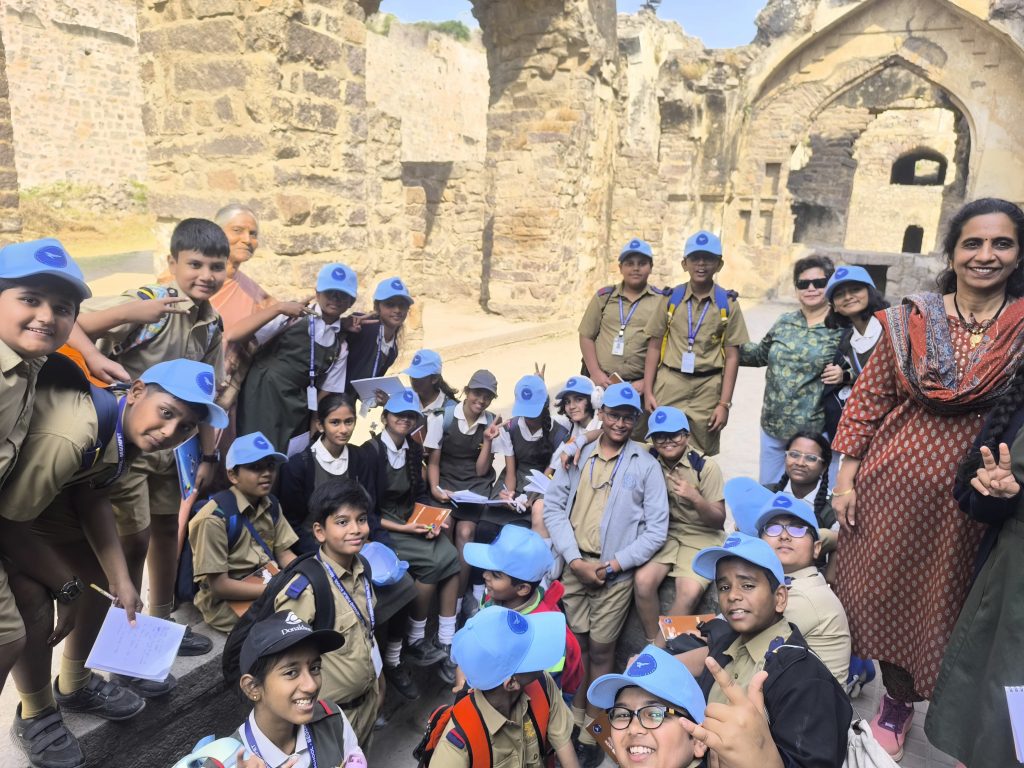
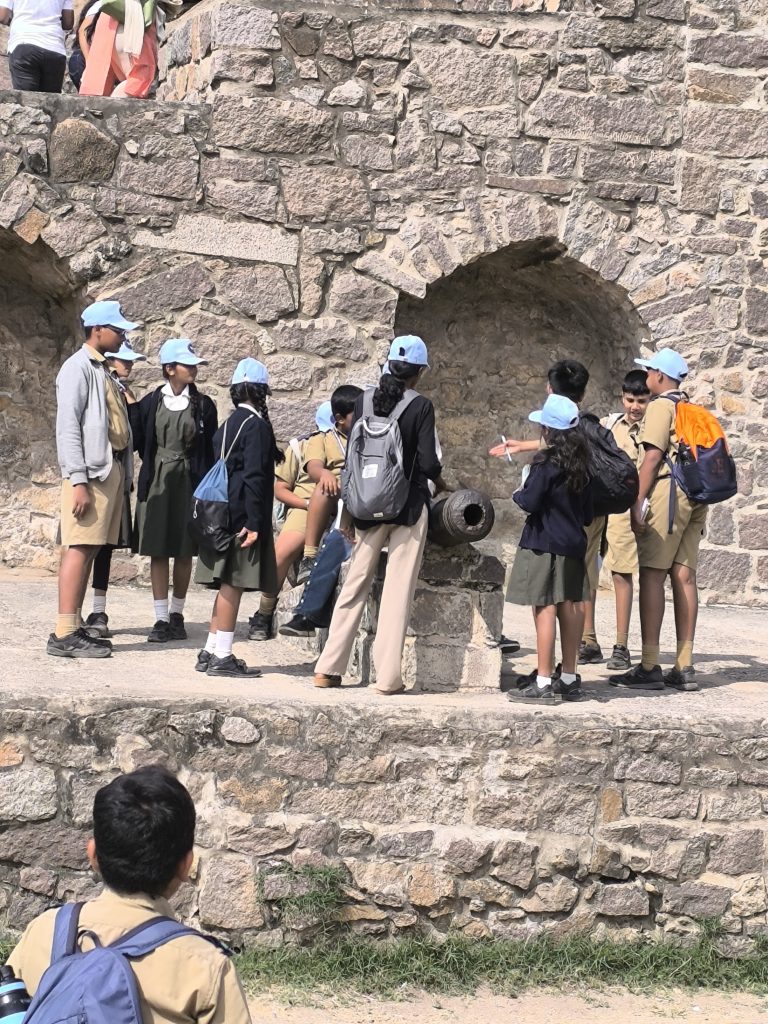
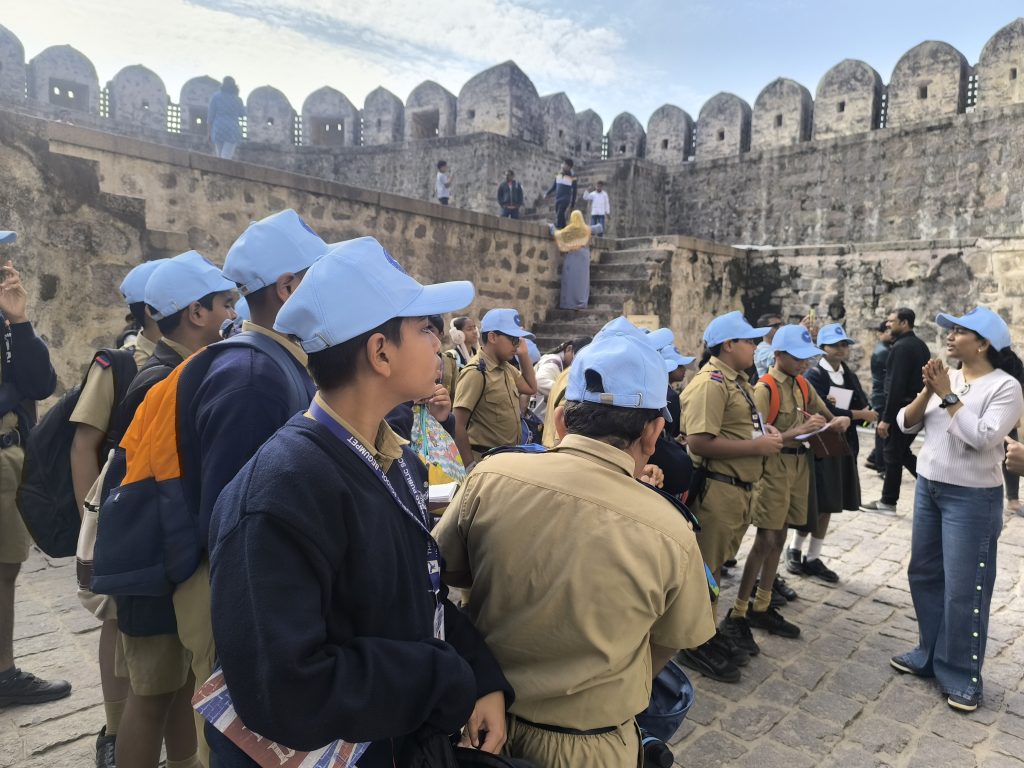
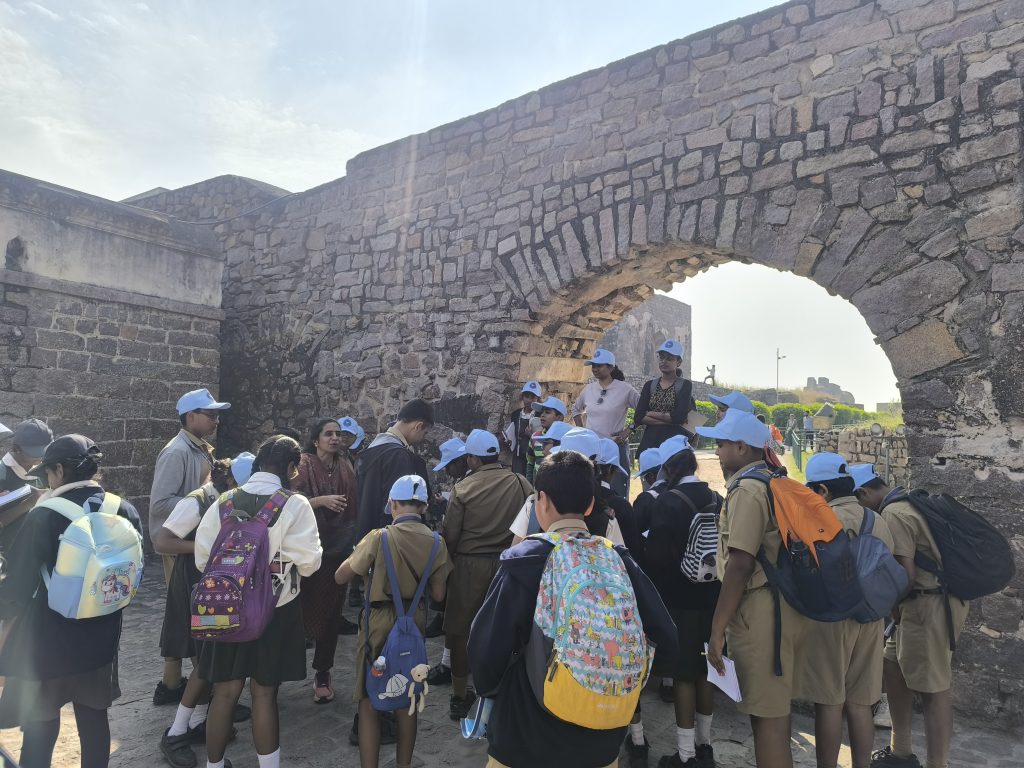
As part of the UNESCO APCEIU Global Citizenship Education (GCED) initiative, a team of students from Grades VI to VIII, participating in the project “Our Heritage Monuments and the Role of the Local Community in Safeguarding Them,” undertook an educational field visit to the historic Golconda Fort. The walk was led by a team of teachers from the Department of History, who guided students through the site and facilitated inquiry-based discussions. The visit aimed to deepen students’ understanding of heritage conservation, the role of citizens and communities, and how cultural heritage reflects shared human values.
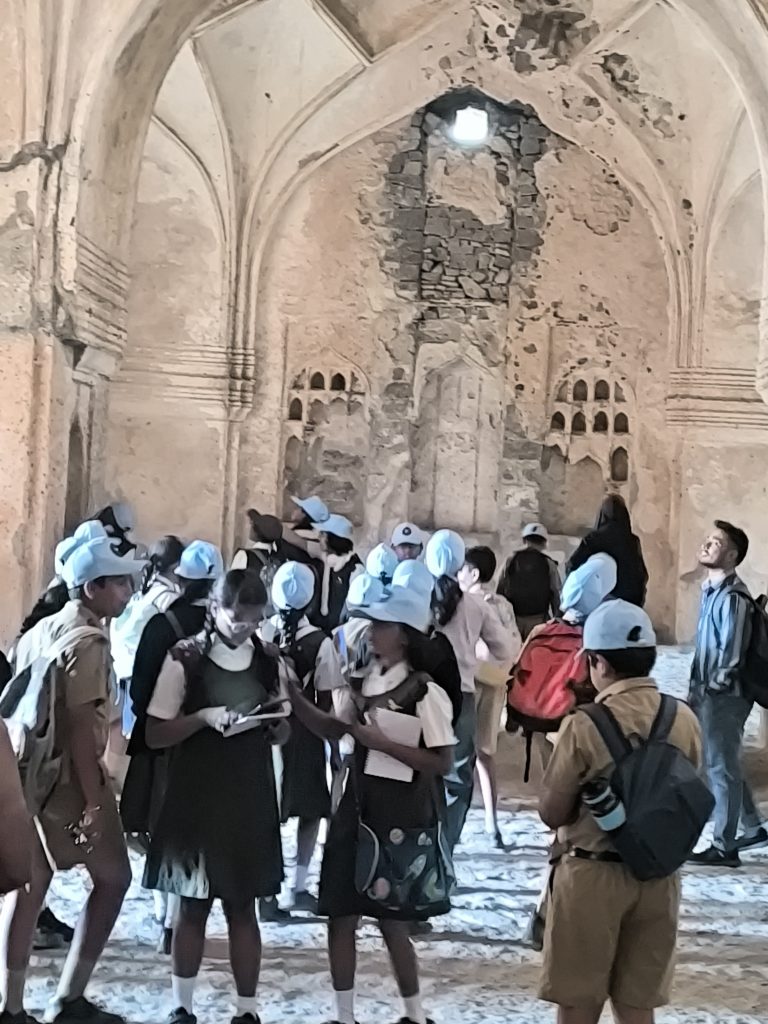
Students explored Golconda Fort as a rich example of inter-disciplinary learning- integrating history, science, engineering, and environmental knowledge. They observed strategic architectural features such as winding entry pathways, massive iron gates, defensive openings, and narrow archery slits—demonstrating how technological innovation supported security in medieval times. The fort’s advanced acoustic system, designed to transmit sound vibrations over long distances, and its sophisticated water management system, which transported water from nearby lakes like Durgam Cheruvu using Persian wheels, storage tanks, and stepwells, highlighted the creative and sustainable use of indigenous knowledge systems.
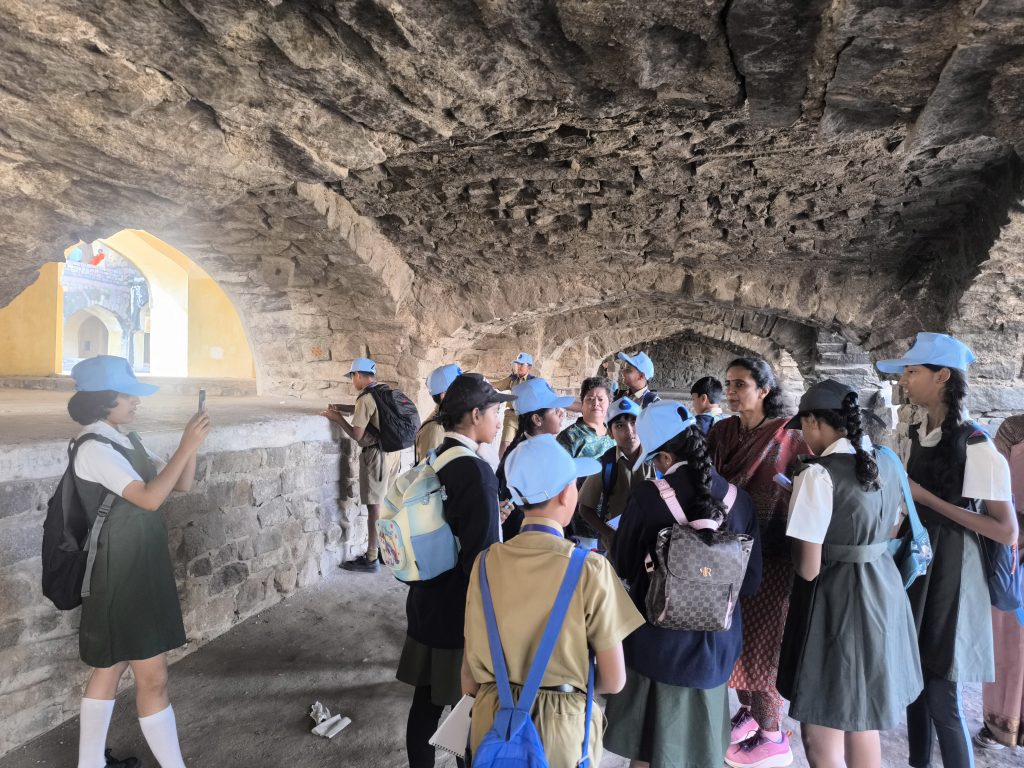
Despite the heat outside, students experienced cooler temperatures inside the palace-complex due to climate-responsive architectural features such as high ceilings, thick stone walls, and ventilation shafts, prompting discussions on eco-friendly design.The visit also offered valuable lessons in cultural integration and tolerance, with the coexistence of a Kali temple and a mosque within the fort symbolising religious harmony and mutual respect. From the summit, students enjoyed panoramic views of Hyderabad and its historic landscape.
Students critically noted preservation concerns, including littering and damage caused by graffiti on the fort walls. These observations led to reflections on civic responsibility, reinforcing the GCED understanding that safeguarding heritage is a shared responsibility, where individual actions have collective consequences.The visit concluded with a deeper appreciation of how heritage connects the past with the present and why its protection is essential for future generations.