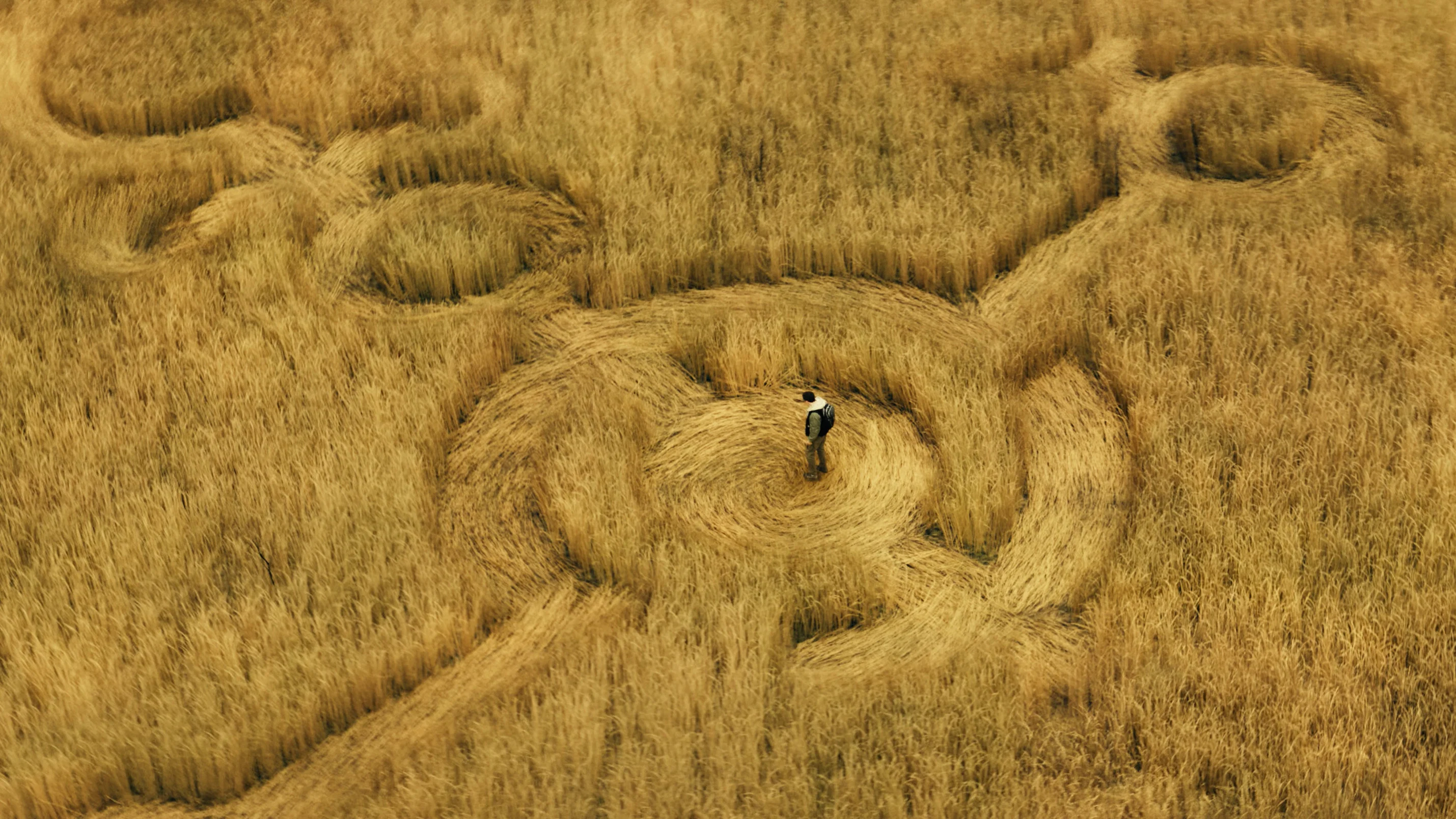
Everyone Wants to Go to Mars. Nobody Wants to Do the Dishes.
We sell Mars as rockets and red horizons. But the people who actually get us there will be plumbers and gardeners; recycling your own sweat into drinking water might be the most impressive thing happening in space.
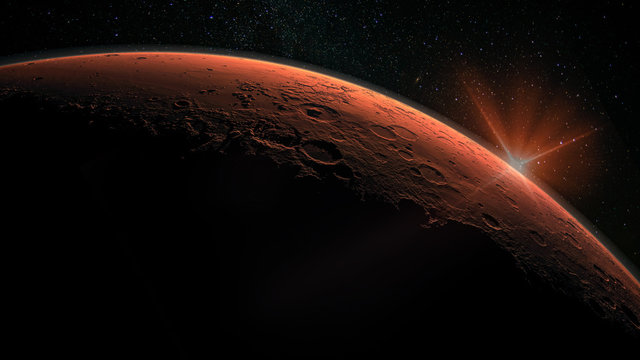
There is always a poster of Mars. It shows a red sky, a figure in a white suit standing on a dune, and a rocket behind them. It is the picture we have all agreed means the future. But there is one thing the poster never shows you, and it is the thing I cannot stop thinking about: somewhere inside that shiny dome, somebody has to do the dishes. Somebody has to fix the toilet. Somebody has to work out where the next glass of water is going to come from, on a planet that has none you can drink. And that person, I think, is the real hero of the whole thing.
We have been sold the wrong story about Mars. The story is all about adventure: to explore, to plant the flag, to take the photograph. The first human on Mars will say something into a microphone, the line will be printed in every newspaper on Earth, and we will all agree that history has happened. I understand the appeal. I have watched the launch livestreams with my heart in my mouth like everybody else. But here is what nobody tells you when you are young and drawing rockets in the back of your notebook: getting to Mars is almost the easy part. We have been throwing things across the solar system for sixty years now. The really hard problem is staying alive once you are there, with no deliveries, no hospital, and no working tap, for years at a time. And staying alive turns out not to be an adventure at all. It is a long, boring list of chores.
The Frontier Is a Plumbing Problem
Take water, which is the whole game. You cannot carry enough of it. Water is heavy, and every extra kilogram you launch off the Earth costs a fortune in fuel, so packing a few years of drinking water is impossible before you even start. The only way the maths works is if you use the same water again, and again, and again. This means somebody has to take the water that has already passed through a human being and turn it back into something you would happily drink.
This is not science fiction. It is happening right now, on the International Space Station, two hundred miles above your head. The station recycles around ninety-eight per cent of its water, and that includes the sweat and breath of the crew, and yes, their urine, all cleaned and handed back as drinking water. The engineers were thrilled when they reached that number, and the people who run the system are quick to point out that nobody is “drinking urine”; the water that comes out is cleaner than most of what comes out of a tap on Earth.
Think about that for a moment. The most advanced people in history, at the very edge of where humans can go, and the big win is a slightly better way of getting water out of sweat. There is no flag in that, and no stirring music. There is just a quiet, brilliant machine doing the most important and least glamorous job you can imagine, and doing it so well that people can keep breathing and drinking somewhere they have no business being.
The first people on Mars will not be conquerors. They will be plumbers and gardeners who happen to be very, very far from the nearest shop.
Breathing is its own small miracle too. There is no air on Mars, and none in orbit, so the air on the station has to be made and looked after day and night. One machine splits water and gives the crew oxygen. Another machine takes the carbon dioxide back out before it builds up and gives everyone a headache, or worse. You do not notice any of it working, the same way you do not notice your own lungs, until it stops. And then it is the only thing in the universe that matters.
And then there is food. You cannot pack years of meals either, so at some point people have to grow their own. On the space station, somebody has been doing exactly that, growing a small garden under pink and blue lights because soil does not behave properly in zero gravity. In 2015 the crew grew red lettuce and, for the first time, ate food that was grown in space. The part I love most is that before they ate it, they clinked the leaves together like wine glasses. A toast, in space, to a salad. It is the most human thing I have ever read about the space programme, and it has nothing to do with conquest and everything to do with dinner.
Why We Look Away From the Chores
So why does none of this make it onto the poster? Why is the gardener never the hero?
I think it is because we love the idea of the frontier but ignore the hard work behind it. It is the same habit that remembers the names of explorers but forgets the people who carried their bags up the mountain. Adventure is the story we tell about the moment of arrival. Looking after things is the quiet work that makes the arrival possible, and it never gets a story, because when it is working, nothing happens. Nobody dies. That is the whole achievement, and it is invisible on purpose.
We are trained to find this boring. A recycled glass of water is boring in the same way a working knee is boring, or a parent who quietly keeps the house running. We only notice these things when they fail. So we save our excitement for the launch and the landing, the loud parts, and skip over the years of unglamorous staying-alive in between, even though that is where the real difficulty lives.
What the Dishes Are Trying to Tell Us
This is partly an argument about Mars, and partly an argument about everything else. The more I look at the machines that keep astronauts alive, the more they look like a lesson we keep failing to learn down here.
We are obsessed with beginnings: the launch, the grand opening, the new year, the new version of ourselves. We give all our praise to whoever cuts the ribbon, and almost none to the people who keep the building standing for the next fifty years. But the truth, in space and at home, is that starting something is the easy part. Keeping it going is the hard part. Anyone can plant a flag. Keeping people fed and watered and breathing, day after day, is the real work, and it is the work we are worst at noticing and worst at thanking.
So I have made my peace with the poster. Let it keep its white suit and its red sky; its job is to make people like me look up. But now I look past the boot on the dune to the dome behind it, and I imagine the room inside where the future is actually being kept alive. There is a pump in there, humming. There is a small garden under coloured lights. There is somebody, gloves on, fixing the thing that broke so that tomorrow can happen at all. That is the person who gets us to Mars, not the one taking the photograph but the one just out of the frame, doing the dishes.
So the next time someone tells you the future is about brave explorers exploring bravely, you can ask them the only question that really matters out there: yes, but who is doing the washing-up?
◆ ◆ ◆