Behind the Label: The Human and Environmental Cost of Your Next Purchase
A T-shirt and a pair of jeans can cost 20,000 litres of water and a workforce paid next to nothing. The hidden price of clothes built to be thrown away.
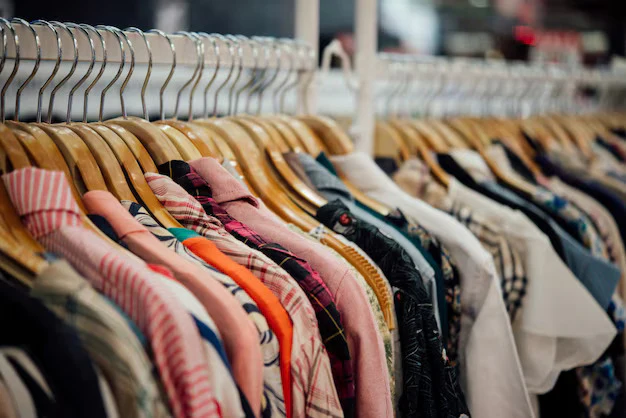
Before we explore the topic, let’s clarify what fast fashion actually means. Fast fashion refers to inexpensive, low-quality clothing produced at high speed by mass-market companies; the best-known examples are H&M, Zara, and Shein. With that established, this piece examines the consequences fast fashion inflicts on our planet. Consumers worldwide rely heavily on these brands for their wardrobes: 87% of Americans, 82% of people in India, and 81% of people in the United Kingdom. But what makes this dominant shopping model such a danger to the global environment?
The water it takes
Before jumping into the numbers, it is worth considering the United Nations’ 17 Sustainable Development Goals, specifically Goal 6: Clean Water and Sanitation. According to SeaSide Sustainability, the fast fashion industry is responsible for over 20% of global industrial water pollution, thanks to the toxic chemicals used in clothing dyes and fabric finishing. Beyond pollution, production itself consumes immense resources: Oxfam estimates that making just one t-shirt and a single pair of jeans requires roughly 20,000 litres of water. The World Wildlife Fund notes that it takes anywhere from 7,000 to 29,000 litres of water to produce a single kilogram of raw cotton, a footprint amplified by the thousands of litres needed every day to keep industrial textile machinery running.
Taken together, these numbers make one thing clear: fast fashion brands have an outsized impact on the environment, and they push us further from the SDGs and a more sustainable future. And not to muddy the topic, but artificial intelligence has already deepened the water crisis worldwide. Do we really need another massive industry adding to it?
Who pays for a ₹1,300 sweater?
Ayesha Barenblat, who founded the non-profit Remake, puts it well:
I think of fast fashion very much like fast food. It was marketed to us as convenient and cheap.
That marketing hides the economic reality of fast fashion. An article in the Earth Island Journal asks a simple but pointed question: what does it really mean for a sweater at H&M to cost as little as ₹1,300, and who is paying the price to produce such inexpensive clothing? The question matters because textiles are not cheap to make; they require a high level of expertise and enormous amounts of labour. And no one with that expertise is willing to work for next to nothing.
Have you ever noticed the line on an H&M tag claiming that the clothes you are buying are made from recycled textiles? H&M may say it reuses materials, but it recycles only 12% of its cotton; the rest it sources from a non-profit called the Better Cotton Initiative. Meanwhile, according to the Clean Clothes Campaign, workers have reported inadequate sick leave, wage cuts for the slightest delay, and fainting on the factory floor. The same issues dog its competitor, Zara, which has been accused of poor working conditions and of paying below the minimum wage. So what exactly are we supporting when we buy from these companies?
The cycle we keep feeding
The answer lies in a corporate strategy designed to keep us oblivious. Because consumers are disconnected from the behind-the-scenes reality of these successful, reputable global brands, we rarely give a second thought to how a single purchase ripples across the world. Every time we buy something, the transaction acts as a financial vote of confidence, signalling to corporate algorithms that demand is high. That nudges the company to order mass production of the very same product.
And because making clothes remains an intensely labour-heavy task that cannot be fully automated, a sudden surge in demand translates directly into pressure on the factory floor. To meet corporate deadlines, suppliers push workers past their physical limits, forcing longer hours, cutting wages to protect margins, and ignoring basic rights. So, by staying unaware of all this and buying more, we set the whole exploitation cycle running again.
So what can we actually do?
Build a capsule wardrobe: focus on essential, versatile pieces that can be worn in many different ways. Rather than constantly chasing new or trending items, invest in higher-quality pieces that will last. Where you can, choose brands with better ethical and environmental records over the worst offenders; it genuinely reduces the damage fast fashion does. And don’t throw clothes away as though they were used paper. Donate them, sell them second-hand, or return them to the shops you bought them from, if those shops run take-back schemes.
None of this fixes the system on its own. But demand is the one vote these companies always count, and it is the one we cast every single time we reach for our wallets.
◆ ◆ ◆