Disclosure Day Is a Spielberg Film for the Believers
It has a saggy middle, an alien object that solves whatever the plot needs solving, and about twenty minutes it could lose. It also has a final act so good that I forgave nearly all of it. A review.
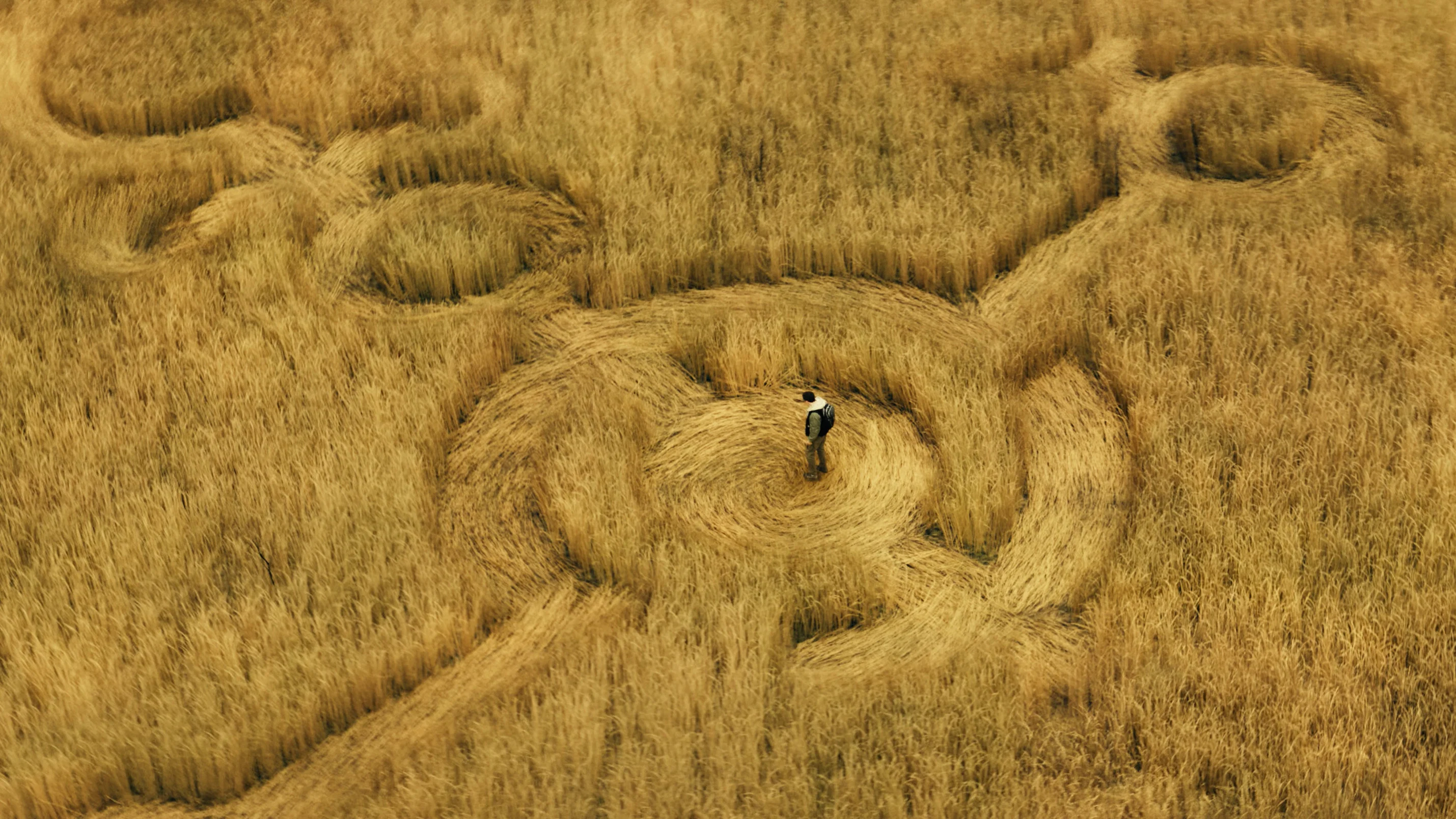
Some films are made for everyone, and some are made for one particular kind of person who has been waiting their whole life without quite knowing it. Disclosure Day, the new film from Steven Spielberg, is the second kind. It is a story about alien contact and the idea that governments have been hiding files from the public ever since the Roswell incident in 1947, and how much you enjoy it will depend almost entirely on how you feel about that idea before you walk in. I happen to be a believer. I was hooked from the very first scene, and I stayed hooked, even through the parts that did not fully work.
From a technical point of view, the film is everything you would expect from a director of Spielberg’s standing. The directing is top notch, the sound design pulls you straight in, and there are several shots in the first hour that I am still thinking about days later. It builds its world slowly and carefully, and it makes you believe in that world, which is the hardest thing a film like this has to do. The performances sell it too, playing the whole thing straight rather than winking at the audience. For the first stretch, I was completely in its hands.
The premise itself is the kind of thing I have read about for years. The idea that something real happened at Roswell, that files have been buried ever since, and that the truth has been kept from ordinary people the entire time. This is a story that a certain crowd already half believes. The film knows this, and it leans into it. It treats the theories not as a joke but as something worth taking seriously, and for a viewer like me, that respect is a large part of why it works.
Where It Drags
And then the middle happens. For a good portion of the second act, the film loses the grip it worked so hard to build at the start. The pacing slows right down, the story stops moving forward, and it begins to feel as though the film is simply waiting for its own ending to arrive. This is where the length becomes a real problem. The film runs for around 140 minutes, and there is a tighter, sharper 120-minute version hiding somewhere inside it. A few scenes in the middle could have been cut completely, and the film would have been stronger for it, with the tension carried through instead of let go.
My other issue is with the alien object at the centre of the plot. It is a clever idea, but it is also far too convenient. Whenever the story needs a way out, the object simply does whatever the plot requires of it, at exactly the right moment. It can solve almost any problem the characters run into, which means that after a while you stop worrying about whether they will be alright, because you already know the object will handle it. A story works best when its characters can actually fail, and this object quietly takes that risk away.
How much you enjoy Disclosure Day depends almost entirely on how you feel about its big idea before you walk in.
Where It Soars
But then comes the final act, and almost all of it is forgiven. The last stretch of Disclosure Day is some of the most gripping film-making I have seen in a long time. The way it uses news reports to build towards the moment of contact is brilliant, taking something we all recognise from real life and turning it into something genuinely frightening and moving. There is a train chase sequence in here that had me on the edge of my seat, and a final reveal that I will not spoil, except to say that it landed with real weight and left me sitting in silence as the credits began.
What makes the ending work is not just the spectacle. It is the way the film holds up a mirror to the state of the world today and places it right beside its big reveal. The two ideas sit side by side, and the effect is genuinely powerful. In the space of a few minutes it pulled a wide range of emotions out of me, and that is exactly what a film like this should do. After a middle that nearly lost me, the ending reminded me why I had bought the ticket in the first place.
It also helped that I already cared about the questions the film was asking. I have spent years reading about sightings and cover-ups, and to see those ideas treated with this much seriousness on a big screen was its own kind of thrill. A regular viewer might watch the same scenes and find them far-fetched, or simply too much. I watched them as the film finally saying out loud the things people like me have quietly wondered for a long time, and that made even its weaker moments easier to forgive.
So Who Is It For?
The honest answer is that this film is for people who already believe, or at least want to. If you are fascinated by the idea of hidden files and visitors from somewhere else, Disclosure Day will grip you from the first frame and refuse to let go. If you are not, the slow middle and the convenient plot device may be enough to lose you, and you might walk out wondering what all the fuss was about. It is a film that knows its audience and aims straight at them, for better and for worse.
For me, it worked. I went in as a believer and came out as one too, perhaps more sure than before. It is not a perfect film, and a sharper edit would have turned it into a great one. The middle hour still needs trimming, and the alien object still needs one honest rule it has to obey. But its best moments are so strong that they carry the whole thing, and they have stayed with me long after the screening ended. Disclosure Day is flawed, uneven, and at times too convenient. It is also, for the right person, unforgettable. I was the right person.
◆ ◆ ◆